
TL;DR: Tennessee’s drink-spiking law is now in effect. Governor Bill Lee signed it on May 28, 2026, and it took effect on July 1, 2026. Spiking a drink, food, or medication to cause involuntary intoxication is now a Class D felony — 2 to 12 years in prison and fines up to $5,000. One thing the final law does not do: an earlier version would have required bars and restaurants to stock rapid drug-testing kits, but lawmakers removed that mandate before passage. Separately, a Nashville-area woman launched SpikedInNash.com to collect anonymous reports and help fill a long-standing data gap on how often drink spiking occurs.
What Tennessee’s Drink-Spiking Law Changed
The bill — House Bill 2301, cross-filed in the Senate as SB 2372 and sponsored by Rep. Bob Freeman (D-Nashville) and Sen. Paul Rose (R-District 32) — set out to address drink spiking in two ways: stronger criminal penalties and a requirement that licensed venues stock testing devices. As it moved through the legislature, the testing-device requirement was stripped out. What was signed into law is the criminal-penalty half: a new felony offense.
The law defines drink spiking as intentionally adding a substance to a drink or food to cause involuntary intoxication. Under prior law, the offense was often treated as a misdemeanor or folded into other charges.
The Felony Penalty
Under the signed law, spiking a drink, food, or medication with intent to cause involuntary intoxication is a Class D felony in Tennessee — 2 to 12 years in prison and fines up to $5,000. The exact sentence within that range depends on the defendant’s criminal history.
An earlier draft of the bill proposed a broader tiered structure — Class B for acts causing serious bodily injury or death, Class C for intended bodily injury — but the enacted law centers on the Class D felony for spiking to intoxicate. Conduct that causes serious injury or death remains chargeable under Tennessee’s existing assault and homicide statutes.
Supporters argue the felony will deter offenders and signal that drink spiking is taken seriously by the justice system.
What the Final Law Left Out: The Test-Kit Mandate
The original bill would have required every establishment licensed to sell alcohol for on-site consumption to keep approved drink drug-testing devices on hand, post a notice that tests were available, and provide them at no charge or at cost. It even set technical standards for approved devices — detect at least 10 controlled substances and two federally defined date-rape drugs, results in under five minutes, disposable strips, US-manufactured.
None of that is in the law that passed. Lawmakers removed the venue mandate before final passage, citing unresolved questions about test accuracy, cost, and which devices would qualify. As of July 1, 2026, Tennessee bars and restaurants are not required to stock, offer, or sell drink-testing kits — the enacted law is limited to the criminal penalty.
That makes a personal test kit the only guaranteed way for a patron to check a drink in Tennessee: venues are not obligated to provide one.
Nashville Activism: SpikedInNash.com
As lawmakers debated the bill, a Middle Tennessee woman set out to shed light on how often drink spiking actually occurs.
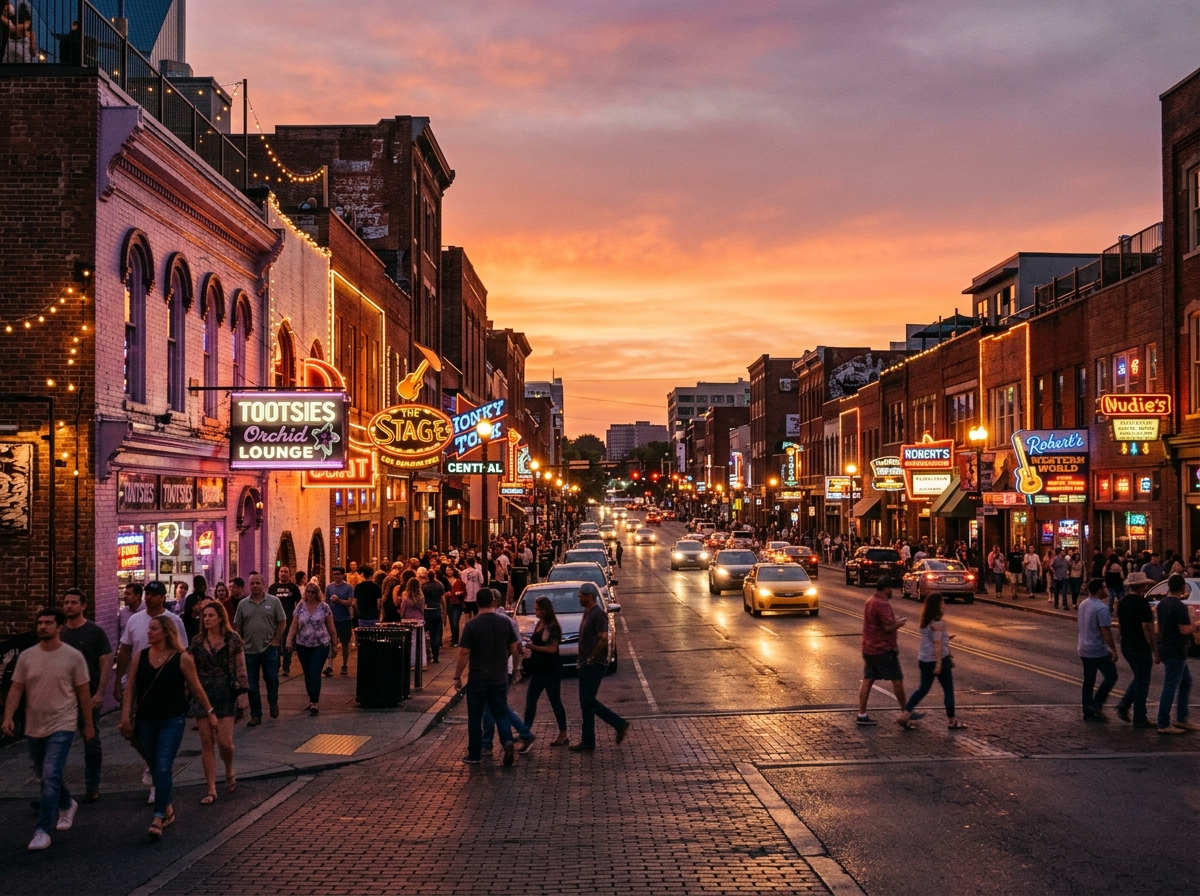
Erika Gorman, a former Silicon Valley product manager who now lives in Columbia, Tennessee, created SpikedInNash.com after a family member was drugged during a work event on Broadway in Nashville on November 19. Her family member woke up disoriented and later discovered that money had been taken from his accounts—about $70,000 before the family froze everything, with an attempted total of $125,000.
Gorman built the site so people can anonymously report suspected drink spiking incidents. Users can submit details such as where the incident occurred, whether they tried to get a drug test, and what happened afterward. Within weeks of launch, more than two dozen incidents had been submitted.
Rep. Freeman has said that data like this could help lawmakers better understand the scope of the issue and direct resources more effectively. Official police reports often undercount drink spiking because many victims never report, and hospitals may not test for date-rape drugs unless there is a sexual assault case with law enforcement involvement. Drug-spiking substances like GHB also leave the body quickly—often within 8 to 24 hours—making timely testing critical.
What You Can Do to Protect Yourself
Because Tennessee venues are not required to provide testing devices, protecting yourself is on you. Steps you can take:
- Test your drink if something tastes or looks off, or if you feel unexpectedly dizzy or disoriented. Rapid test strips can detect common date-rape drugs in seconds.
- Keep your drink in sight and avoid accepting drinks from strangers.
- Use a drink cover or other physical barrier when possible.
- Seek medical help immediately if you suspect you’ve been drugged. Time matters—many substances leave the body within hours.
- Report incidents to law enforcement (Metro Nashville Police: 615-922-3020) and, if you’re in Nashville, consider submitting an anonymous report at SpikedInNash.com to help build a clearer picture of the problem.
Personal rapid test kits, such as DrinkCheck, are designed to detect GHB, Ketamine, Cocaine, Scopolamine, and other substances in seconds. They are portable, discreet, and can be used at bars, clubs, or parties. Venue test-kit mandates remain the exception in the U.S. — California requires certain bars to make test kits available (AB 1013, in effect since July 1, 2024), and Tempe, Arizona’s ordinance obligations begin August 1, 2026 — so having your own kit gives you a layer of control regardless of whether a venue has devices on hand.
A Growing Trend: Drink Spiking Laws Across the U.S.
Tennessee is part of a growing wave of drink spiking legislation across the U.S. For an overview of state-by-state drink spiking laws for bars, see our comprehensive guide. If you suspect you or a friend has been drugged, follow our step-by-step action plan.
Where the Law Stands Now
Governor Bill Lee signed the bill (HB 2301 / SB 2372) into law on May 28, 2026, and it took effect on July 1, 2026 — the felony is now enforceable law in Tennessee. The version that passed contains the Class D felony but not the bar test-kit mandate that was part of earlier drafts. Sponsors indicated the testing-device portion needs more work, so whether Tennessee revisits a venue requirement in a future session remains to be seen.
Update (July 10, 2026): The law took effect as scheduled on July 1, 2026, and is now in force. This article has been updated to reflect that.
Correction (June 13, 2026): An earlier version of this article — published while HB 2301/SB 2372 was still pending — stated that the law would require Tennessee bars and restaurants to stock drink-testing devices by July 1, 2026. That mandate was removed before the bill was signed into law on May 28, 2026. The enacted law creates the Class D felony only; there is no venue test-kit requirement. The headline, summary, and text have been updated to reflect the signed law.
This article is for informational purposes only and does not constitute medical or legal advice. If you suspect you or someone else has been drugged, seek medical attention immediately. In an emergency, call 911.
Last updated: July 10, 2026. Legislative status may change. Consult official sources and your legal advisor for current information.