A wave of drink-spiking legislation has moved across the United States since 2023 — but far fewer test-kit mandates have actually become law than the headlines suggest. As of July 2026, only California (statewide) actually requires bars to offer drink-spiking test kits; Tempe, Arizona has enacted a city mandate whose duties begin August 1, 2026. Tennessee passed a drink-spiking law in 2026 but removed its proposed kit mandate before signing, and Chandler, Arizona’s new ordinance carries no kit requirement either. Washington’s widely reported SB 5330 stalled in committee and never became law. For bar owners and multi-state operators, knowing what is genuinely in force — versus merely proposed — matters. This article maps the real landscape, the broader liability pressure beyond test-kit laws, and why ordering ahead can still be the smart play.
TL;DR: As of July 2026, California’s AB-1013 (in force since July 2024) is the only US test-kit mandate currently in effect. Tempe, Arizona’s ordinance is enacted, with kit and signage duties effective August 1, 2026. Tennessee’s felony law took effect July 1, 2026 without a kit mandate; Chandler, Arizona’s ordinance (in effect since May 24, 2026) also has none; Washington’s SB 5330 never became law.
The Real Map: What’s Actually in Force (July 2026)
| Jurisdiction | Level | Status | Effective | Requires kits? |
|---|---|---|---|---|
| California AB-1013 | State | Enacted, in force | July 2024 | Yes (Type 48 venues) |
| Tempe, Arizona | City | Enacted, effective Aug 1, 2026 | August 1, 2026 | Yes — from Aug 1, 2026 |
| Chandler, Arizona | City | Enacted, in force | May 24, 2026 | No — penalties only |
| Tennessee HB 2301 / SB 2372 | State | Enacted, in force (felony only) | July 1, 2026 | No — mandate removed |
| Washington SB 5330 | State | Stalled, never passed | — | Not law |
Only California imposes an actual test-kit obligation today; Tempe’s kicks in on August 1, 2026. The others are often cited as if they mandated kits — they don’t, or not yet.
The Pioneer: California AB-1013
California’s Assembly Bill 1013, which took effect in July 2024, was the first statewide law requiring bars and nightclubs to sell drug testing kits for spiked drinks. The law applies to establishments holding a Type 48 liquor license and requires that kits capable of detecting Rohypnol, ketamine, and GHB be available to customers at a reasonable price based on wholesale cost. See our California AB-1013 compliance guide for a full breakdown of requirements, or our AB-1013 solution page for compliant kit options.
AB-1013 has become the reference model other jurisdictions cite when drafting their own bills. That does not mean those bills passed — most have not — but the template (stock approved kits, display signage, sell at a fair price) is well established, so where mandates do arrive, they tend to look similar.
Tempe, Arizona: The First City Mandate
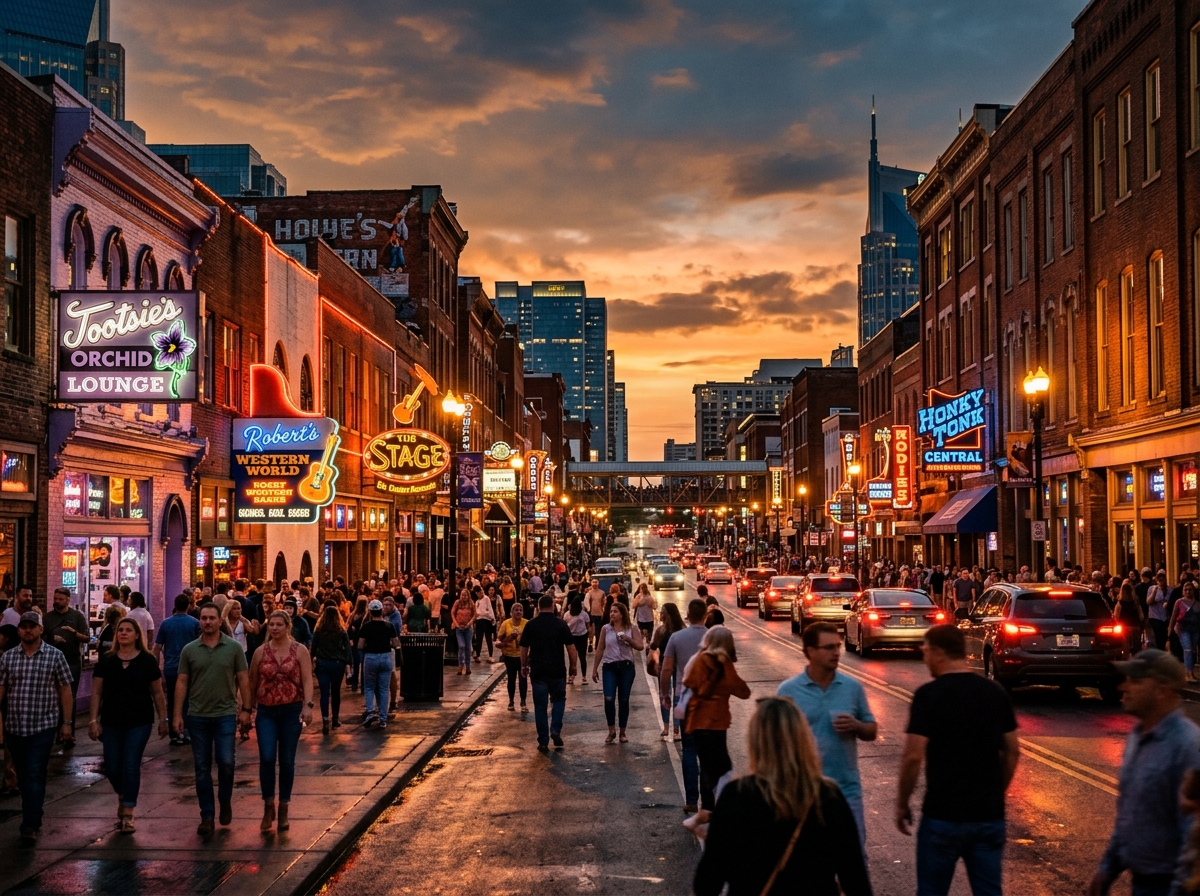
Tempe became Arizona’s first city to adopt a drink-spiking prevention ordinance, approved unanimously by the city council in February 2026. The ordinance takes effect August 1, 2026 and requires covered bars and restaurants to keep a minimum of 10 drink-spiking test kits on hand, sell or give them to patrons, and display signage that kits are available. It is the clearest example of the city-level approach spreading where state legislatures have stalled. For details, see: Tempe Becomes Arizona’s First City to Require Drink Spiking Test Kits.
Chandler followed with its own drink and food tampering ordinance, in effect since May 24, 2026 — but it is a criminal-penalty measure (a class 1 misdemeanor for spiking) and contains no test-kit requirement. Phoenix and Tucson have been floated as possible followers, but as of July 2026 Tempe’s ordinance is the only city-level kit mandate on the books — and its obligations only begin August 1, 2026.
Tennessee: A Felony Law — Without the Kit Mandate
Tennessee signed its drink-spiking law (HB 2301 / SB 2372) on May 28, 2026; it has been in force since July 1, 2026. The law makes spiking a drink, food, or medication to cause involuntary intoxication a Class D felony (2–12 years, fines up to $5,000). Importantly, the original bill would have required venues to stock testing devices — but lawmakers removed that mandate before passage, citing unresolved questions about test accuracy and cost. Tennessee bars are therefore not required to offer kits. For the full story, see: Tennessee Drink-Spiking Law Signed: Felony From July 1, No Kit Mandate.
Washington SB 5330: Introduced, but Stalled
Washington’s Senate Bill 5330 — “Protecting Consumers from Spiked Drinks” — drew national coverage and is frequently described as being “in effect.” It is not. The bill was introduced in 2025, received a committee recommendation, but was placed on the Senate Rules “X file” in March 2025 and reintroduced in 2026 without advancing to a floor vote. As of July 2026 it has not passed either chamber and is not law — it imposes no requirements on Washington bars. If your information says Washington bars “must” stock kits, that reflects the proposed bill, not enacted law.
Dram Shop and Premises Liability: Pressure Even Without a Test Mandate
Even in states without a specific drink-testing law, venues face Dram Shop and premises-liability exposure. Dram Shop laws hold establishments liable when intoxicated patrons cause harm. Premises-liability claims arise when a venue fails to take reasonable steps to protect guests — including from drink spiking and drug-facilitated assault.
Multi-million-dollar verdicts and settlements are not uncommon. Insurers increasingly assess whether operators have proactive safety measures in place. Offering drink-spiking test kits — and documenting that you do so — demonstrates proactive risk management. It strengthens your defense, can support lower insurance premiums, and differentiates you from competitors who do the bare minimum. For a deeper look at the financial case, see our article on the ROI of going beyond compliance.
The trend is clear: whether or not your state has passed a test-kit law, the pressure to address drink spiking is mounting.
Future-Proof Your Business: Order Before the Law Arrives
For multi-state hospitality operators and policy-conscious bar owners, the strategic move is to order ahead. When a new mandate takes effect, demand for compliant test kits spikes and supply chains can tighten. Venues that have already established a wholesale relationship and stocked inventory are ready on day one.
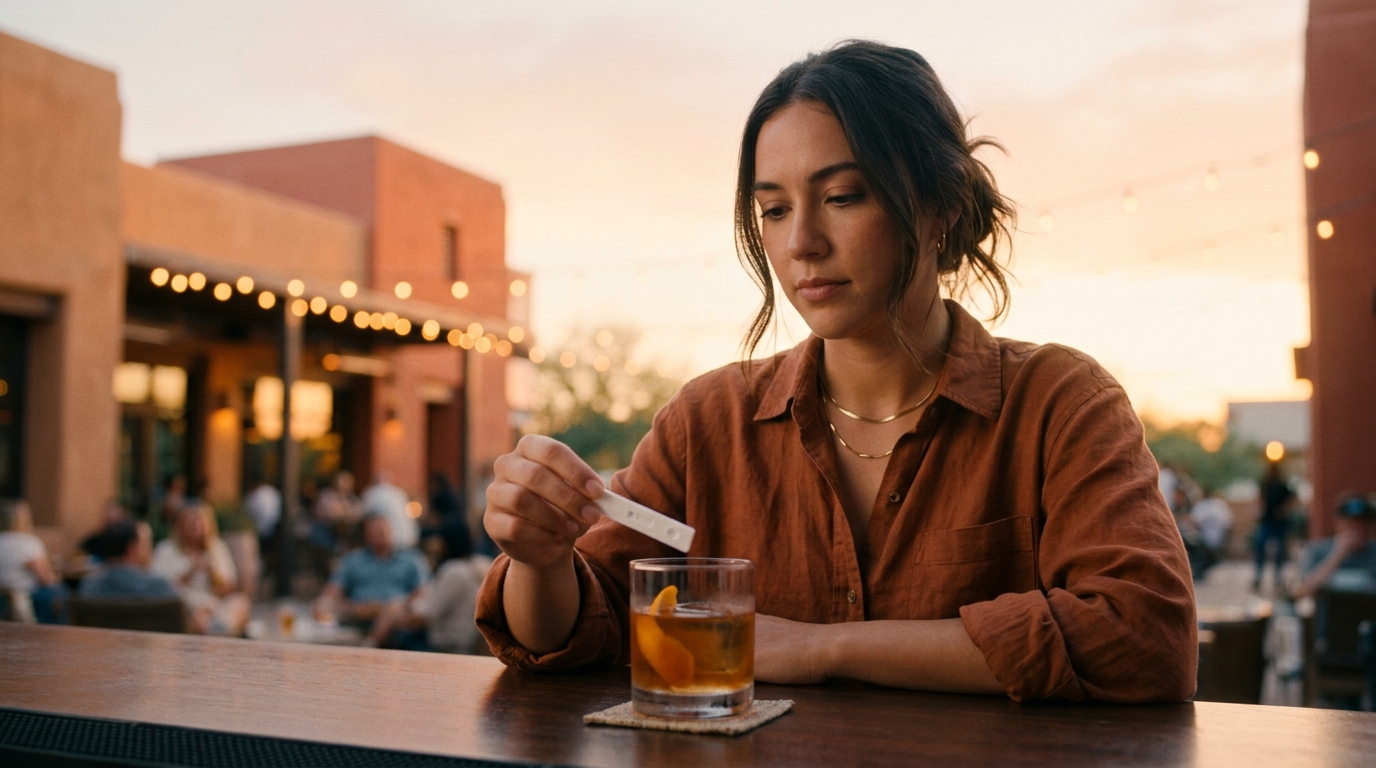
DrinkCheck offers wholesale pricing for bars, nightclubs, festivals, and hospitality groups. Our clinically validated test strips detect six-plus common spiking substances — including GHB, ketamine, scopolamine, and cocaine — in seconds, and are built for venues complying with California AB-1013 and similar legislation.
Future-proof your business. Partner with DrinkCheck for wholesale fulfillment.
Apply for exclusive DrinkCheck wholesale B2B account →
Update & Correction (July 10, 2026): This article was re-checked against the July 2026 legislative status. An earlier version stated that Washington SB 5330 was “in effect since January 2026” and that Tennessee HB 2301 required bars to stock test kits. Neither is accurate: SB 5330 stalled in committee and never became law, and Tennessee’s enacted law dropped its test-kit mandate before passage; a reference to an Illinois “SB-3695” drink-spiking bill was also removed, as it could not be verified. We also clarified that Tempe’s ordinance, while enacted, imposes its kit and signage duties only from August 1, 2026 — leaving California AB-1013 as the only mandate in force today — and added Chandler, Arizona’s ordinance (in effect since May 24, 2026), which sets criminal penalties but contains no kit requirement.
This article is for informational purposes only and does not constitute medical or legal advice. If you suspect you or someone else has been drugged, seek medical attention immediately. In an emergency, call 911. Bar owners should consult their legal advisor for compliance in their jurisdiction.
Last updated: July 10, 2026. Legislative status may change.