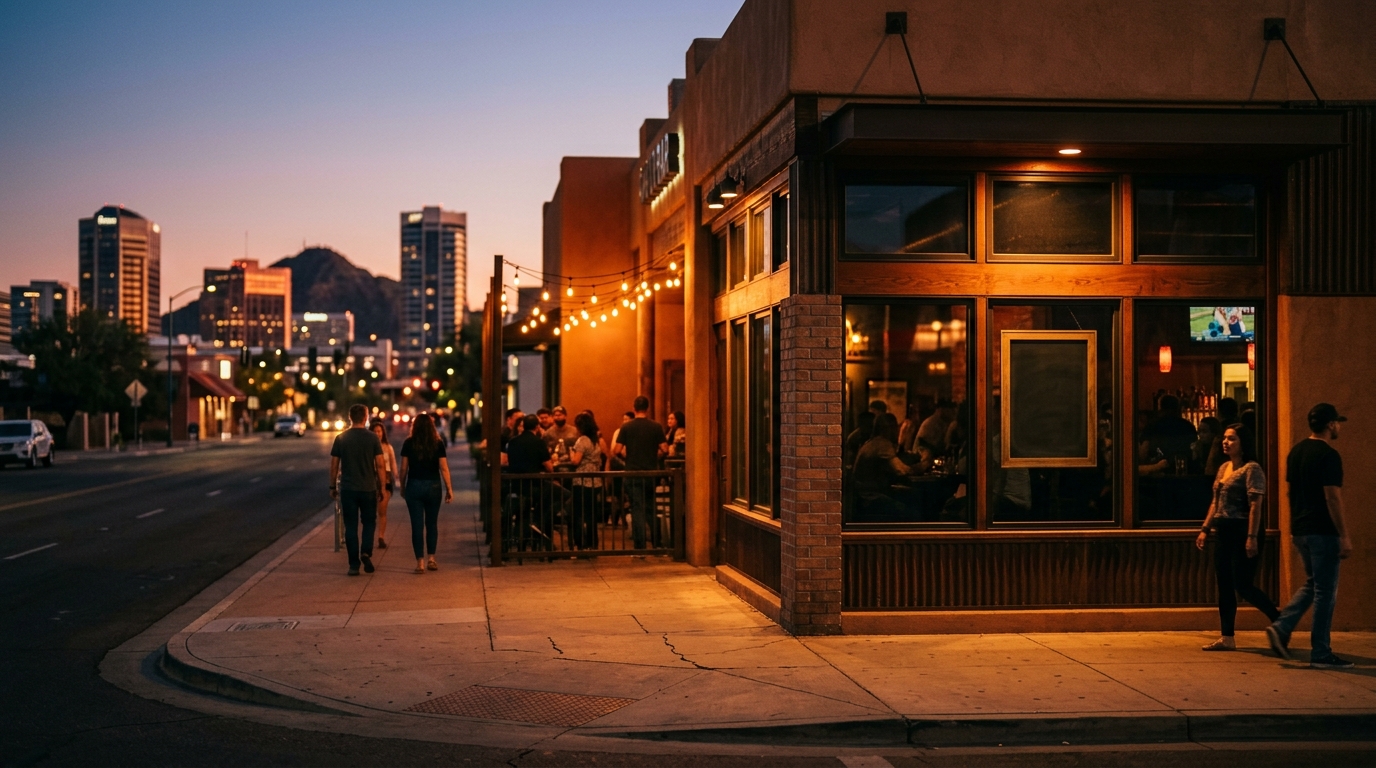

Three weeks. That’s what’s left between now and August 1, 2026, when Tempe City Code §26-71 — Arizona’s first drink-spiking prevention mandate for bars — becomes enforceable. If you operate a Series 6 or Series 12 licensed venue in Tempe that serves past midnight, the requirements below stop being optional in 22 days. This checklist walks through exactly what the ordinance demands, in the order you should tackle it.
TL;DR: From August 1, 2026, Tempe establishments with a Series 6 or 12 liquor license serving alcohol between midnight and 2 a.m. on more than three days per month must keep at least 10 unexpired, lab-certified drink test kits on hand at opening, post signage in all restrooms (one-inch lettering, city-prescribed wording), and sell kits at no more than 150% of cost. Venues that also hand out free drink covers can earn a 25% rebate on their city liquor license tax. Non-compliance means a police investigative report and a warning letter that can be copied to the Arizona Department of Liquor.
Deadline box
- Ordinance: Tempe City Code §26-71 (Ordinance No. O2026.05), passed unanimously by the City Council in February 2026
- Obligations apply from: Friday, August 1, 2026
- Time remaining: ~3 weeks
- Who: Series 6 / Series 12 licensees serving alcohol between 12:00 a.m. and 2:00 a.m. on more than 3 days per month — roughly 60–70 Tempe venues
- Full background: how the ordinance came about · Tempe compliance guide with wholesale pricing
Step 0: Confirm Whether §26-71 Applies to You
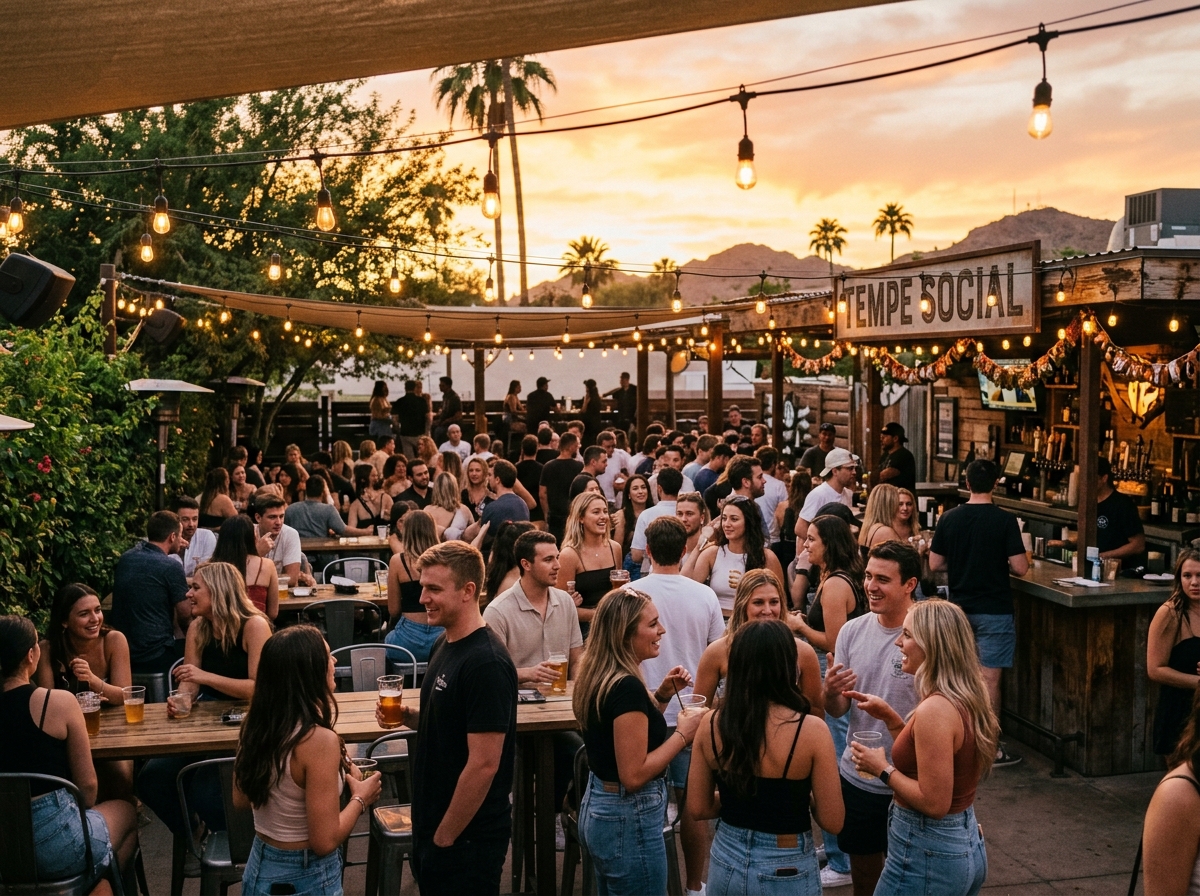
The ordinance covers establishments that meet both conditions: you hold a Series 6 (bar) or Series 12 (restaurant) liquor license, and you serve alcohol between 12:00 a.m. and 2:00 a.m. on more than three days per month. That sweeps in most of the Mill Avenue and downtown nightlife district — the city estimates roughly 60 to 70 venues.
Explicitly exempt under §26-71(g): bowling alleys, sports arenas, and Series 3 or Series 11 licensees. The Chief of Police can also grant a formal exemption case by case, applying the criteria in §26-70(d)(2) — floor plan, hours, service style, demographics, and complaint history. If you believe your venue qualifies, apply now; an exemption you haven’t been granted by August 1 doesn’t protect you.
A restaurant that closes at 11 p.m. is outside the scope. A restaurant with a Series 12 license that runs a late-night bar program four nights a month is inside it.
The Compliance Checklist
Work through these in order — the lead times get shorter as you go down the list.

1. Source lab-certified test kits (this week)
§26-71(a) requires you to offer, during regular business hours, unexpired, lab-certified drug testing measures or kits — “strips, stickers, or other devices that are commercially available testing products designed to detect substances used in drink spiking.” You need an inventory of at least 10 units at the opening of each business day.
Ordering is the one step with real lead time, so do it first. DrinkCheck strips are lab-validated, detect 6+ substances including GHB, ketamine, and scopolamine, deliver a result in about 15 seconds, and carry a 24-month shelf life — which matters, because expired kits don’t count toward your 10. Wholesale pricing starts at $1.40–$1.80 per test depending on volume; nonprofit programs such as NightCap and KnoNap have also offered free kits to Tempe venues for the first year.
2. Set your kit price — no more than 150% of cost
You may sell or distribute kits at no more than 150% of your cost. At $1.50 per test wholesale, your ceiling is $2.25. Keep your supplier invoices — they’re what documents your cost basis if the city ever asks. Giving kits away free is always compliant (and required at the register price of zero if you pursue the rebate route below).
3. Post the restroom signage — exact wording, one-inch lettering
Signage is where venues will most likely trip up, because the ordinance is unusually specific. Under §26-71(b)(4) you must post, in prominent and conspicuous locations in all restroom facilities, a sign in at least one-inch lettering with this message (or substantially similar wording approved by the Chief of Police):
Notice from the City of Tempe: Drink spiking is illegal. Drink testing kits are available here. Ask a staff member for details.
Signs may be obtained from the City of Tempe or produced yourself. “All restroom facilities” means all of them — including single-occupancy and staff-accessible restrooms used by patrons.
4. Build the replenishment routine into your opening checklist
Ten kits at opening is a floor, not a one-time purchase. If inventory drops below 10 on any business day, §26-71(a)(1) gives you three business days to replenish. The practical fix: add a kit count to your daily opening checklist next to the ice and till counts, and set a reorder trigger at 20–25 units so a busy weekend never puts you under the minimum.
5. Store kits per manufacturer recommendations
Kits must be maintained and stored consistent with manufacturer recommendations — for test strips, that typically means dry, at room temperature, away from direct heat. Assign a fixed storage spot behind the bar and note the expiry date of each batch when it arrives.
6. Train your staff before the deadline
The mandated sign tells patrons to “ask a staff member for details” — so every bartender and server on the floor after August 1 needs to know where the kits are, what they cost, and how they work. A five-minute segment in your next two pre-shift meetings covers it. Staff should also know the basics of what to do when a patron reports a suspected spiking: the ordinance sits alongside Tempe’s Good Samaritan approach, under which victims and witnesses who report won’t be prosecuted for offenses revealed by the report itself.
Step 7 (Optional but Worth It): The 25% Rebate
Compliance is the floor; §26-71(b)–(c) adds a carrot. Venues that implement a certified drink spiking prevention program receive a rebate of 25% of the city liquor license tax paid for the compliance period (Tempe City Code Chapter 4, §4-4). To certify, you must do all four:
| Requirement | What it means in practice |
|---|---|
| Free drink covers | Offer, free of charge with every beverage served, a lidded container or a removable cover that attaches to the rim |
| Test kits at ≤150% of cost | The same kit obligation as baseline compliance |
| Proper storage | Kits maintained per manufacturer recommendations |
| Restroom signage | The same one-inch-lettering signs as baseline compliance |
Certification runs through the Chief of Police or designee, who notifies the Financial Services Department; the rebate is then issued within 60 days. For a venue paying a $2,000 annual city license tax, that’s $500 back — for most venues, enough to cover the year’s kit inventory. Run the numbers with our cost/benefit breakdown in the Tempe compliance guide.
What Happens If You’re Not Ready on August 1
Enforcement under §26-71(e) is deliberately graduated. For non-compliance, the Tempe Police Department may issue an investigative report and a warning letter — and that letter may be copied to the Arizona Department of Liquor, your state licensing authority. A non-compliant establishment is also denied the rebate for the entire calendar year in which the non-compliance occurred.
Two things the ordinance does not do: it creates no private right of action — §26-71(f) makes it enforceable only by the City of Tempe — and it contains no liability shield for venues regarding test performance. Standard dram-shop and premises-liability exposure is unaffected, which is its own reason to take prevention seriously beyond the letter of the ordinance.
Tempe won’t be the last word here. Chandler adopted its own drink-tampering ordinance effective May 24, 2026 (criminal penalty only — no kit mandate), and California’s AB-1013 has required Type 48 bars to offer kits since July 2024. For the national picture, see our state-by-state overview of drink-testing laws.
Your Three-Week Timeline
- Week of July 13: Confirm coverage, order kits (wholesale), order or print signage, decide on the rebate route and order covers if pursuing it.
- Week of July 20: Signage up in all restrooms, kits received and logged, storage spot assigned, opening-checklist item added.
- Week of July 27: Staff briefed in pre-shift meetings, rebate certification initiated with Tempe PD, dry-run a kit sale at the register.
- August 1: Ten kits behind the bar at opening. Compliant.
DrinkCheck supplies Tempe venues with lab-validated strips that detect 6+ substances in about 15 seconds — clinically validated, 24-month shelf life, with compliance documentation and signage templates included. Request wholesale pricing →
Sources
- Ordinance No. O2026.05, adding Tempe City Code §26-71 (City of Tempe, official ordinance text)
- Drink Spiking Prevention and Education (City of Tempe)
- Fact brief: Is Tempe requiring bars to make drink-spiking tests available? (Arizona Center for Investigative Reporting, February 23, 2026)
- Tempe to start requiring drink spiking test kits at certain bars, restaurants (Arizona’s Family, February 9, 2026)
This article is for informational purposes only and does not constitute legal advice. Requirements summarized here reflect the adopted text of Ordinance No. O2026.05; consult the ordinance and your attorney for your venue’s specific situation. If you suspect you or someone else has been drugged, seek medical attention immediately. In an emergency, call 911.
Last updated: July 10, 2026.