A cover and a test answer different questions
A physical lid covers the opening of a drink. It does not analyse what is already in the liquid. A chemical test is intended to look for particular substances; its result depends on the product’s documented scope and instructions. Neither a cover nor a test should be described as confirmation that a drink is safe.
This article does not establish the effectiveness of a particular cover or compare products using unsupported detection figures. For a product-specific conclusion, the original evidence and the matching product version matter.
An unremarkable result is not proof of safety
Hampshire and Isle of Wight Constabulary’s guidance warns that self-test kits can miss substances outside their scope. A result presented as clear can therefore give false reassurance. This is general police guidance, not a laboratory evaluation of DrinkCheck.
If you suspect spiking, do not use a test result as a reason to keep drinking or postpone help. The help and evidence overview links official support information and emergency guidance.
What DrinkCheck detects and how it is validated
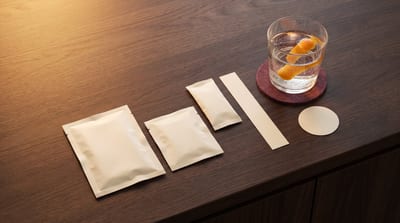
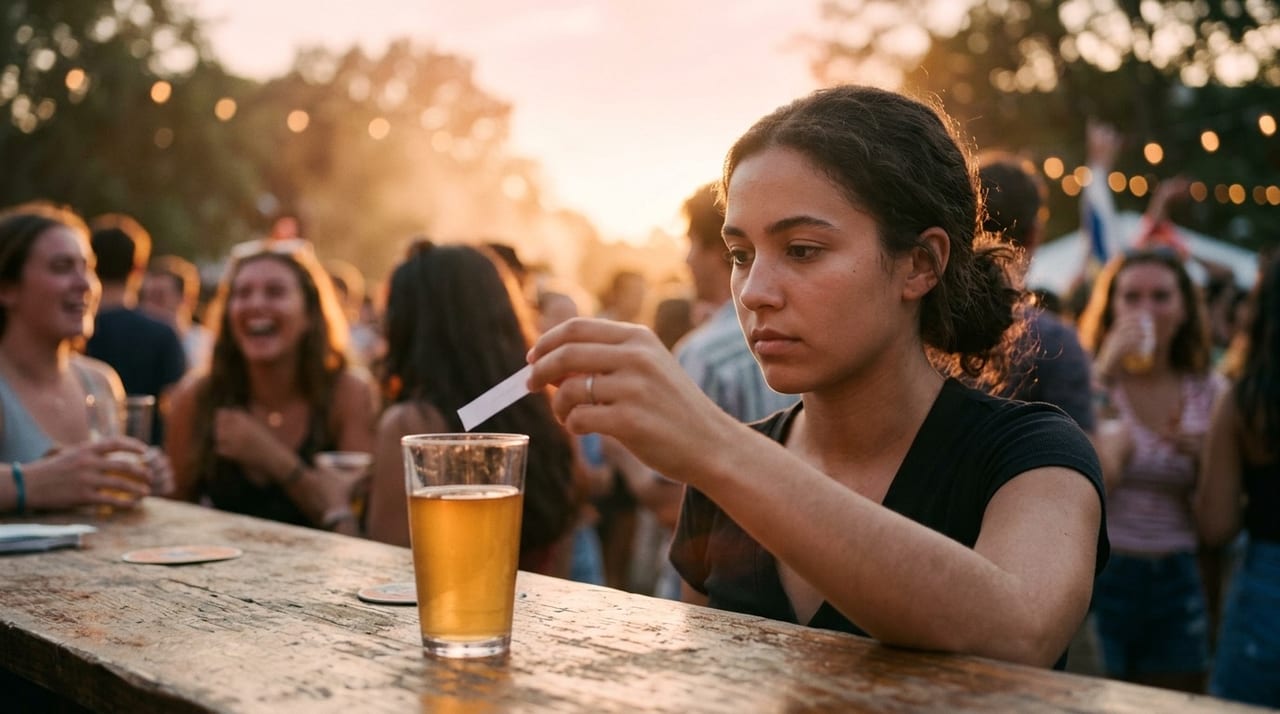
DrinkCheck test strips detect 6+ substances (including GHB, ketamine, scopolamine, cocaine, methamphetamine and amphetamine) with a result in about 15 seconds. They are validated by 3 independent labs, with an over 98% detection rate, and accredited by the UK Police prevention initiative Secured by Design. A negative result is not proof that a drink is safe. Our evidence and use page summarizes DrinkCheck’s lab validation and explains what a drink test cannot tell you.
Follow the instructions supplied with your strip. If they are missing or unclear, contact DrinkCheck before use.
For venue and event teams
Request the relevant product documents before making a procurement decision. Plan how guests can access help, who responds to a concern and how staff follow the applicable instructions. A purchase does not itself establish legal compliance or a safety outcome. Our venue budgeting article explains the practical information to confirm.
Editorial update, September 29, 2026: The DrinkCheck section now states the product details confirmed on the product page: 6+ substances (wording updated October 3, 2026), a result in about 15 seconds and validation by 3 independent labs. The September 5 note on unavailable product documents no longer applies. This source check is not a completed medical or legal review.